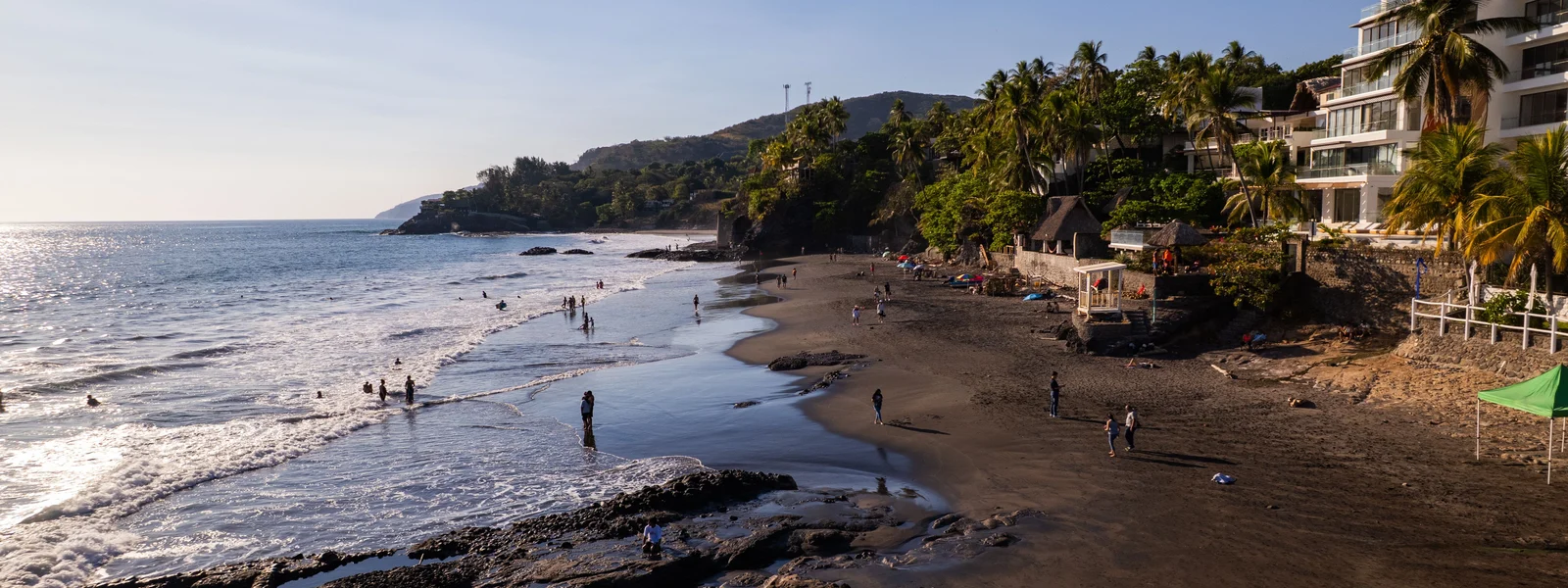
Best eSIM for El Salvador 2026
There is no single best eSIM for El Salvador. There is only the right eSIM for your trip type and data needs. Most ranking articles on this subject are thinly disguised advertising that crowns whoever pays the most affiliate commission. This one gives you the criteria that actually differentiate good options from mediocre ones, a realistic view of what the market charges, and the marketing traps that extract money without delivering value. We sell eSIMs, so weigh our conclusions accordingly, but the criteria below are the ones to judge anyone by, including us.
If a comparison never tells you when not to buy, it is selling, not comparing. This one will.
The five criteria that actually differentiate eSIM plans for El Salvador
Strip away the marketing language and the category rankings, and only a handful of variables actually determine whether an El Salvador eSIM is good for your trip. Judge every option against these before anything else.
| Criterion | Why it matters | How to check |
|---|---|---|
| Network (single vs multi) | All three networks cover El Salvador well, so the network matters less here than in mountainous neighbors. Multi-network is still a sensible default for the few patchier areas. | Check the product page for the operator. Multi-network is a low-cost upgrade. |
| Price per gigabyte | Salvadoran data is reasonably priced, so wide brand price gaps are pure markup. The same gigabytes can cost several times more by brand. | Simple division. Price divided by gigabytes equals your real comparison number. |
| Top-up availability | Surf trips and varied itineraries change your data needs. Top-up in seconds beats buying a whole new plan. | Check the provider's app or product page for a top-up option. |
| Validity window | A 7-day plan on a 14-day trip means buying twice. A plan that expires before you leave is money lost. | Match the plan's validity to your trip duration, not the minimum available. |
| Tethering allowed | Some plans block hotspot sharing. A dealbreaker for remote workers and anyone with a laptop. | Check the fair-use policy or product description for tethering restrictions. |
El Salvador is easy on the network question, because the country is small and well connected and all three networks cover most areas well. A multi-network plan is a sensible low-cost default for the few patchier areas like the mountain roads and volcano trails, but a single decent network also serves most trips. This is lower-stakes than in Guatemala or Honduras, so do not overthink it.
What the market actually charges in 2026
El Salvador eSIM pricing varies, from good value to spectacular overcharging for identical network access. The table below represents the real market distribution. Premium brands and budget brands often use the same Tigo, Claro or Movistar infrastructure: what you pay extra for is brand recognition and app polish, not better coverage.
| Plan size | Budget end | Mid-market | Premium brands | What separates them |
|---|---|---|---|---|
| 5 GB / 15 days | $6 to $9 | $10 to $15 | $19 to $30 | Brand and app quality only. Same underlying network. |
| 10 GB / 30 days | $9 to $14 | $15 to $23 | $30 to $47 | Same network. Premium pays for marketing and support. |
| 20 GB / 30 days | $15 to $23 | $24 to $35 | $47 to $70 | At this level, check tethering and top-up policy. |
| Unlimited / 30 days | $20 to $29 | $32 to $48 | $58 to $90 | Read the fair-use policy carefully. Most unlimited plans throttle after a daily cap. |
Unlimited plans for El Salvador sound appealing but most include a fair-use clause that throttles speeds after a daily cap. At throttled speeds, video calls drop, maps load slowly, and apps can time out. Read the fine print before purchasing. A capped plan with full speeds throughout is often more useful than an unlimited plan that throttles after a heavy day, especially since El Salvador trips rarely need true unlimited.
Plan types explained
El Salvador travel eSIMs come in several structures, each with different tradeoffs.
| Plan type | How it works | Best for | Watch out for |
|---|---|---|---|
| Fixed data, fixed duration | X GB valid for Y days. Most common type. | Predictable trips with known duration. | Buying a 7-day plan for a 14-day trip by accident. |
| Daily data plans | A set amount of data per day. Resets at midnight. | Light users who will not hit the daily cap. | Wasted data on offline surf days. |
| Unlimited with throttle | Full speeds up to a daily threshold, then throttled. | Light to moderate users wanting no overage risk. | The throttle kicks in exactly when you most need full speeds. |
| Central America regional | Covers El Salvador plus neighbors like Guatemala and Honduras. | Multi-country Central America trips. | Often pricier per GB than an El Salvador-only plan. |
The marketing claims to ignore
- Award-winning coverage. Self-awarded designations. The actual network and coverage map matter more than the sticker.
- Lightning-fast 5G speeds. El Salvador's 4G already delivers more than enough speed, and most data passes through 4G. The 5G claim is largely irrelevant to a typical trip.
- Trusted by millions of travelers. Marketing copy. Check independent review platforms for actual experiences.
- Instant activation. Standard feature on all eSIMs. Means nothing about quality.
- Nationwide coverage. Mostly true here given El Salvador's good coverage, but still check the few patchier areas for your specific destinations.
The traps that inflate the real cost of a cheap plan
- Short validity on a long trip. A 10-day plan for a 14-day stay means buying again mid-trip. Always buy for your full duration.
- Clock starts at purchase, not at first use. Some plans activate when bought, not when you first connect. Buy close to departure and confirm the trigger.
- No top-up option. Budget plans without top-up force a whole new purchase if you run out. On a variable trip, top-up flexibility is worth paying for.
- Tethering blocked. If you bring a laptop or rely on Bitcoin payments needing a hotspot, confirm tethering is allowed.
Where we land
For most one to two week El Salvador trips covering the capital, the surf coast and the Ruta de las Flores, a 5 to 10 GB plan at mid-market pricing is the right call, with multi-network a low-cost upgrade. For longer trips or heavy users, 20 GB with confirmed tethering. For remote workers, 20 to 40 GB with top-up.
We sell eSIMs for El Salvador. Our plans are sized and priced against the mid-market column above, ride the strongest available network, with top-up in seconds and the clock starting when you land, not when you buy. We think that is the right offer for most El Salvador travelers. If a Central America regional plan or a local SIM fits your trip better, that is the right one for you.
Plans for El Salvador
FAQ
What is the best eSIM for El Salvador in 2026?
The best El Salvador eSIM depends on your trip. Because the country is small and well connected, any reputable plan works well across the capital, the surf coast and the main towns. The most important criteria are price per gigabyte, validity matching your trip, top-up availability and tethering if you need it. A multi-network plan is a sensible low-cost upgrade for the few patchier areas.
Are expensive eSIM brands better for El Salvador?
No. Premium brands charge several times more for the same gigabytes on the same Tigo, Claro or Movistar infrastructure. The extra cost pays for brand recognition, app polish and marketing, not better signal or coverage. Calculate price per gigabyte and choose on value, not brand name.
Does the network matter much for an El Salvador eSIM?
Less than in mountainous neighbors. El Salvador is small and well connected, so all three networks cover most areas well and a single decent network serves most trips. A multi-network plan is a sensible low-cost default for the few patchier areas like the mountain roads and volcano trails, but the stakes are lower here than in Guatemala or Honduras, so do not overthink it.
Should I get an unlimited El Salvador eSIM?
Usually not. Most unlimited El Salvador plans throttle speeds after a daily cap, and El Salvador trips rarely need true unlimited since 5 to 10 GB covers most travel, especially given the offline time on surf days. A capped plan with full speeds throughout is often more practical than an unlimited plan that throttles on a heavy day.
How do I compare El Salvador eSIM plans fairly?
Divide the price by the gigabytes to get cost per GB. Then check four things: whether top-up is available, how long the validity lasts, whether tethering is allowed, and whether it is single or multi-network. Those points determine real value more reliably than any marketing comparison or brand ranking, with the network mattering less here given El Salvador's good overall coverage.