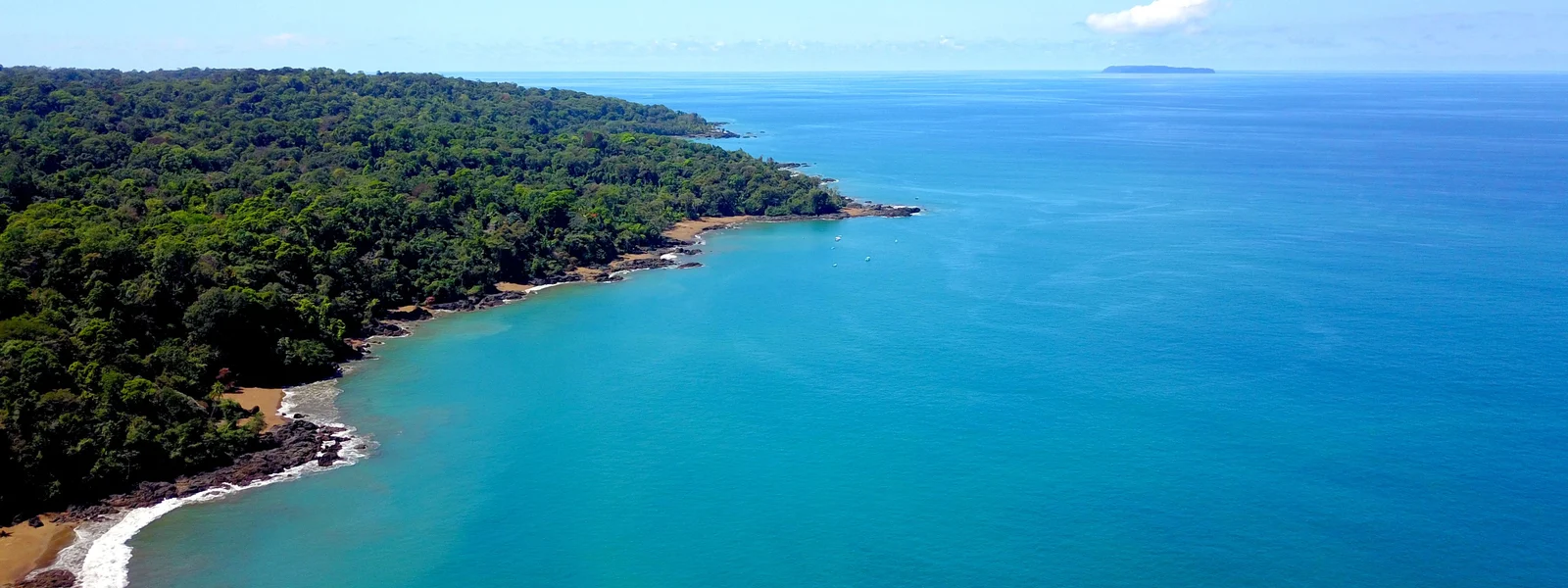
Green Season & Wildlife Guide
Costa Rica's green season, the wetter months from roughly May to November, brings lush landscapes, fewer crowds, lower prices and superb wildlife watching, including the turtle nesting season on both coasts. It also brings afternoon downpours and a heavier reliance on remote, often off-grid eco-lodges. The connectivity challenge is less about the rain affecting signal, which it largely does not, and more about the remote, disconnected nature of the best wildlife spots. This guide covers staying connected, and knowing when to embrace being offline, during the green season.
The green season's best wildlife is in the places with the least signal. The skill is not staying online in the rainforest, it is planning your connected tasks for the towns and embracing the off-grid lodge.
When the green season happens and why it matters
Costa Rica's green season runs roughly from May to November, with the wettest months toward the later part. It is a wonderful time to visit: the landscapes are lush, the crowds thin, prices drop, and wildlife is highly active, with sea turtle nesting on the Caribbean and Pacific at various points in the season. The flip side is frequent afternoon and evening rain and a focus on the remote, nature-rich areas, the rainforest lodges, the wildlife refuges and the national parks, which are precisely the places with the least mobile coverage.
Does the rain affect mobile signal?
Not much directly. Heavy rain can cause very minor degradation of mobile signal, but it is rarely noticeable and not the real connectivity issue in the green season. What actually shapes your connectivity is where the wildlife takes you: deep into rainforests, out to remote refuges, and to off-grid eco-lodges, all of which have little or no signal regardless of the weather. The rain matters more for your phone's physical safety and your battery in humid conditions than for the signal itself.
The green season's humidity and rain are harder on your phone than on the signal. Keep your phone in a dry bag or waterproof pouch on tours, especially boat trips to places like Tortuguero, and be aware that constant heat and humidity can affect battery and charging. A power bank and a dry pouch are more useful green-season kit than any signal booster, since the challenge is keeping the device working, not finding a network.
Staying connected for wildlife tours
Wildlife watching in Costa Rica is largely a guided, off-grid activity, so connectivity planning is about the edges of the tour rather than the tour itself.
- Confirm tours and pickups from town. Message your guide and confirm timing while you have signal, since the meeting point or refuge may be offline.
- Download offline maps for the refuges and parks. Wildlife areas like Tortuguero, Corcovado and the refuges are often reached by boat or rough road with no signal.
- Ask your lodge about wifi before booking. Many green-season wildlife lodges are off-grid with limited or no wifi; know what you are getting so you can plan your connected time.
- Embrace the offline time. The wildlife experience is better undistracted anyway. Save uploads and calls for when you are back in a town with signal or lodge wifi.
Some of the best green-season wildlife, including turtle nesting, is in places like Tortuguero on the Caribbean, reachable mainly by boat or small plane and with limited coverage. Treat these as off-grid: download everything beforehand, confirm logistics from the last connected town, and tell someone your plans. The remoteness is part of why the wildlife thrives there, so plan to be disconnected and enjoy it.
How much data for a green season trip
A green season wildlife trip uses little data, because so much of it is spent in off-grid refuges and lodges. Your data use concentrates in the towns between wildlife outings: confirming tours, navigation, messaging and some streaming at the lodge when it has wifi. A week or two of wildlife-focused travel typically sits around 5 GB, often less. The off-grid hours, which are most of the trip, use almost nothing.
Which network for the green season
A Kölbi-based or multi-network eSIM is the best choice, since Kölbi has the widest rural reach and the wildlife areas are deep in the rural and remote parts of the country. That said, the most remote refuges have no coverage on any network, so offline preparation matters most there. The network choice helps in the towns and on the margins between wildlife spots; it does not provide signal in the heart of a refuge.
Where we land
For a green season wildlife trip, around 5 GB on a Kölbi-based or multi-network eSIM covers a week or two comfortably, with town stops handling the online tasks and the off-grid refuges embraced as offline time. The rain affects your phone more than your signal, so pack a dry pouch and a power bank. Our Costa Rica plans ride the strongest available network including Kölbi, which is what the rural, wildlife-rich green season calls for, with top-up if you need it.
Plans for Costa Rica
Costa Rica eSIM plans
Prices in USD. Instant QR activation. Pick your data, land connected.
FAQ
Does rain affect mobile signal in Costa Rica's green season?
Not much. Heavy rain can cause very minor signal degradation but it is rarely noticeable and not the real connectivity issue. What actually shapes your connectivity in the green season is the remote, off-grid nature of the best wildlife spots, the rainforests, refuges and eco-lodges, which have little or no signal regardless of weather. The rain matters more for your phone's physical safety and battery in humidity.
How much data do I need for a green season wildlife trip?
Little, often around 5 GB or less for a week or two, because so much of a wildlife trip is spent in off-grid refuges and lodges where no data flows. Your usage concentrates in the towns between outings for confirming tours, navigation, messaging and some streaming where the lodge has wifi. The off-grid hours, which are most of the trip, use almost nothing.
Do wildlife lodges in Costa Rica have wifi?
Many green-season wildlife lodges are off-grid with limited or no wifi, in keeping with their remote, nature-rich locations. Ask your lodge directly before booking so you know what to expect and can plan your connected time around it. Some have intermittent wifi in common areas; others are deliberately disconnected. Either way, download what you need beforehand and confirm logistics from the last connected town.
Will my phone work in Tortuguero and remote wildlife refuges?
Often not. Places like Tortuguero, reached mainly by boat or small plane, and other remote refuges have limited or no coverage on any network. Treat them as off-grid: download offline maps and details beforehand, confirm logistics from the last connected town, and tell someone your plans. The remoteness is part of why the wildlife thrives there, so plan to be disconnected.
Which network is best for a Costa Rica wildlife trip?
A Kölbi-based or multi-network eSIM is the best choice, since Kölbi has the widest rural reach and wildlife areas are deep in the rural and remote parts of the country. The most remote refuges have no coverage on any network, so offline preparation matters most there. The network choice helps in the towns and on the margins between wildlife spots rather than in the heart of a refuge.