El Salvador Bitcoin & Connectivity
El Salvador made global headlines by adopting Bitcoin as legal tender, and the coastal village of El Zonte, known as Bitcoin Beach, became the symbol of the experiment. For a traveler curious about the digital-payment scene, there is a practical connectivity angle most guides miss: digital and Bitcoin payments need a live data connection to work. A travel eSIM is not just for maps and messaging here; it is what lets you actually transact. This guide covers why reliable data matters for payments, what to expect at Bitcoin Beach, and staying connected for transactions.
Bitcoin payments are only as reliable as your data connection. In El Salvador, having working mobile data is part of the payment infrastructure, not just a travel convenience.
The connectivity angle on Bitcoin payments
The thing most Bitcoin-in-El-Salvador coverage overlooks is mundane but important: a digital wallet needs an internet connection to send or confirm a transaction. Whether you are paying with a Bitcoin Lightning wallet or any digital payment app, your phone has to be online at the moment of the transaction. So for a traveler engaging with El Salvador's digital-payment scene, reliable mobile data is not optional; it is the rail the payment runs on. A travel eSIM that keeps you connected is, in effect, part of your payment setup.
If your connection drops mid-transaction, a payment can fail or hang, which is awkward at a checkout. This is why El Salvador's generally good coverage matters for the Bitcoin scene, and why having a reliable eSIM, rather than relying on patchy free wifi, makes paying smoother. The good news is that the main areas where digital payments are common, including El Zonte and the surf coast, are well covered with 4G, so reliable transactions are realistic.
El Zonte: Bitcoin Beach
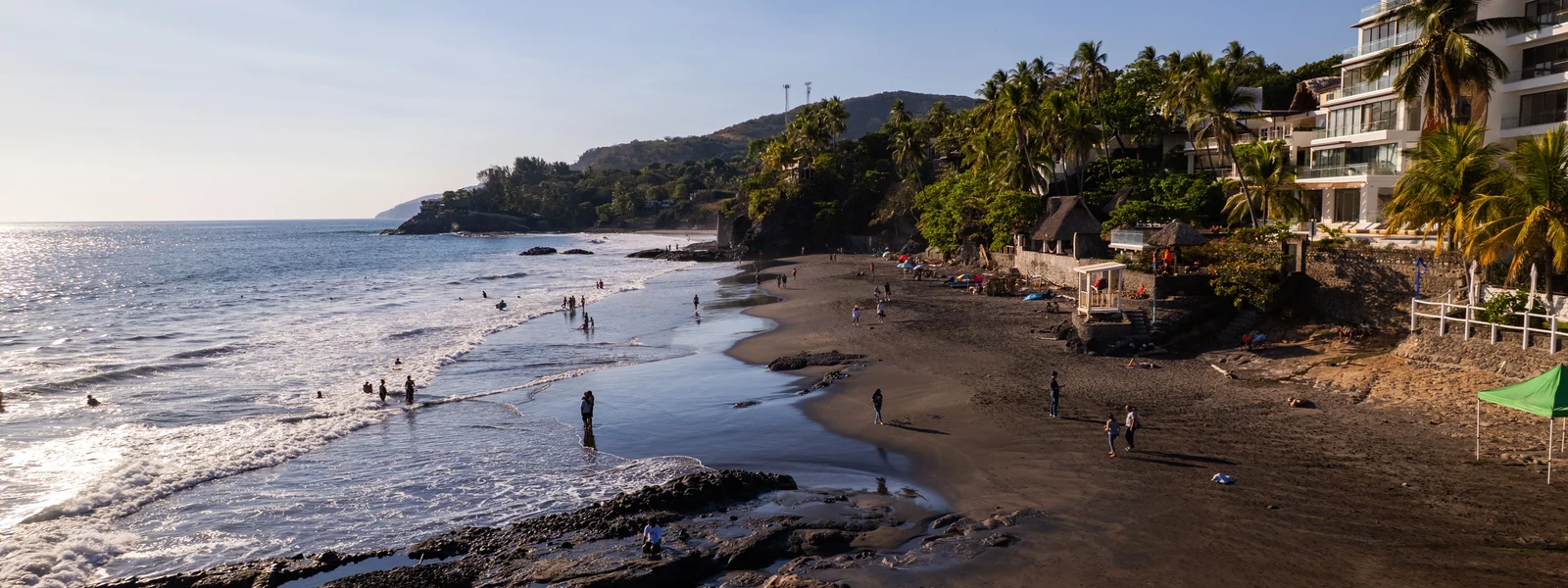
El Zonte is the small coastal village that became famous as Bitcoin Beach, where a local project encouraged Bitcoin adoption among businesses and residents before the national law. Today it remains a focal point for crypto-curious travelers and a hub for the digital-nomad and Bitcoin community. For connectivity, El Zonte has workable 4G coverage, which supports the digital payments the village is known for. If you are visiting specifically for the Bitcoin scene, a reliable data connection lets you actually participate rather than just observe.
Staying connected for payments
A few practical habits make digital payments smoother during a trip engaging with El Salvador's Bitcoin scene.
- Keep a reliable eSIM active. Do not rely on finding free wifi at the moment of payment. A travel eSIM keeps you connected for transactions wherever there is coverage.
- Confirm a transaction before walking away. Wait for the confirmation that a payment has gone through, since a dropped connection can leave it pending.
- Carry some cash as backup. Not every business uses Bitcoin, and a connection issue can occur. El Salvador uses the US dollar, so dollar cash is the universal fallback.
- Keep your phone charged. If your phone is your wallet, a dead battery means no payments. Carry a power bank.
It is worth being realistic: while El Salvador adopted Bitcoin as legal tender, in practice cash and cards remain widely used, and not every business accepts or prefers Bitcoin. The US dollar is the everyday currency. For a traveler, the Bitcoin scene is something to engage with where it exists, especially around El Zonte, rather than a system you must use everywhere. A reliable eSIM and some dollar cash cover you for any payment situation.
How much data for the digital-payment scene
Bitcoin and digital transactions themselves use very little data; the requirement is reliability, not volume. So engaging with the payment scene does not increase your data needs meaningfully. A standard plan sized for your trip, around 5 GB for a week or two, comfortably covers the occasional payment alongside your normal maps, messaging and posting. The key feature is reliable coverage, which El Salvador's network provides in the main areas, not a large data allowance.
Which network for the Bitcoin scene
For El Zonte and the surf coast where digital payments are most common, any of the three networks works, with good 4G coverage. A multi-network plan adds reliability across the few patchier areas, which is worth a little extra precisely because a dropped connection mid-payment is inconvenient. For the main scene around El Zonte, the coverage is good on all networks.
Where we land
For engaging with El Salvador's Bitcoin scene, the connectivity point is reliability over volume: a dependable eSIM keeps you connected for transactions, which is part of the payment infrastructure rather than just a travel convenience. A standard 5 GB plan covers the occasional digital payment alongside normal use, with reliable coverage being the key feature. Our El Salvador plans ride the strongest available network, which is exactly what smooth digital payments at Bitcoin Beach call for, with dollar cash as the universal backup.
Plans for El Salvador
FAQ
Do I need reliable data for Bitcoin payments in El Salvador?
Yes. Digital and Bitcoin payments need a live internet connection to send or confirm a transaction, so your phone must be online at the moment of payment. For engaging with El Salvador's digital-payment scene, reliable mobile data is the rail the payment runs on, which is why a dependable travel eSIM is, in effect, part of your payment setup rather than just a travel convenience.
Is there good coverage at El Zonte, Bitcoin Beach?
Yes, El Zonte has workable 4G coverage, which supports the digital payments the village is known for. El Zonte became famous as Bitcoin Beach, where a local project encouraged Bitcoin adoption before the national law, and it remains a hub for the crypto and nomad community. If you are visiting for the Bitcoin scene, the good coverage lets you actually participate in payments rather than just observe.
How much data do Bitcoin transactions use in El Salvador?
Very little. Bitcoin and digital transactions themselves use minimal data; the requirement is reliability, not volume. So engaging with the payment scene does not meaningfully increase your data needs. A standard plan sized for your trip, around 5 GB for a week or two, comfortably covers occasional payments alongside normal use. Reliable coverage is the key feature, not a large data allowance.
Is Bitcoin used everywhere in El Salvador?
No, not everywhere. While El Salvador adopted Bitcoin as legal tender, in practice cash and cards remain widely used, and not every business accepts or prefers Bitcoin. The US dollar is the everyday currency. The Bitcoin scene is something to engage with where it exists, especially around El Zonte, rather than a system you must use everywhere. Carry some dollar cash as a universal backup.
What if my connection drops during a Bitcoin payment?
A dropped connection mid-transaction can leave a payment pending or cause it to fail, which is why reliable data matters. Wait for the confirmation that a payment has gone through before walking away, keep a reliable eSIM active rather than relying on patchy free wifi, and carry some dollar cash as a fallback. A multi-network plan adds reliability across the few patchier areas.