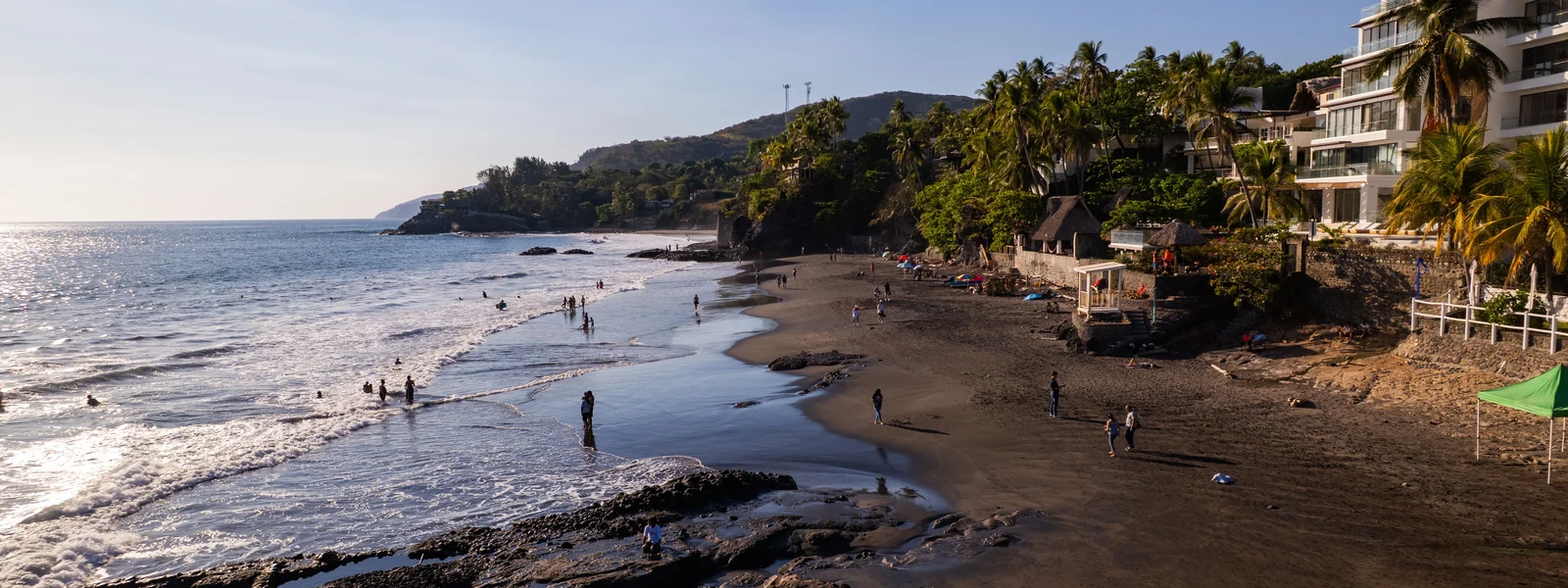
Digital Nomad: One Month in El Salvador
El Salvador has actively courted remote workers, especially in the crypto and tech space, and offers a compelling package: the US dollar as currency, a US-aligned time zone, good connectivity, a surf coast, and a growing digital scene anchored by El Zonte's Bitcoin Beach. The connectivity question for a working month is more forgiving here than in mountainous neighbors, because coverage is good across the popular bases. This guide covers data needs, base selection, and the redundancy that keeps your calls connected.
El Salvador's pitch to nomads is unusually direct: dollars, US hours, surf, and a tech-forward government. The good connectivity across the coast and capital makes the working part genuinely easy.
The main nomad bases and what to expect
Remote workers in El Salvador cluster on the surf coast and in the capital, with generally good connectivity across all of them thanks to the country's compact size. Knowing the local reality shapes how much you lean on mobile data versus venue wifi.
| Base | Connectivity reality | Best for |
|---|---|---|
| El Zonte (Bitcoin Beach) | Workable. The crypto-nomad hub with a growing digital scene. | Surf-and-Bitcoin nomads wanting the scene; verify rental wifi. |
| El Tunco | Good. The most established surf town with cafes and hostels. | A lively surf base with reliable coastal connectivity. |
| San Salvador | Best infrastructure. Fast fiber and coworking. | Maximum reliability and city amenities. |
| La Libertad area | Good. The coastal hub near the surf breaks. | Coastal living with town amenities nearby. |
How much data a working month really takes
The honest number depends on how much of your heavy work runs over mobile data versus venue or rental wifi. On the well-connected coast or in San Salvador with good wifi, your eSIM mainly handles gaps, outages and weekend trips, and 20 GB can suffice. If you tether your laptop regularly or your rental wifi is weak, daily video calls and uploads push you toward 30 to 40 GB or more.
For a remote worker, the single most important plan feature after coverage is whether tethering is allowed. Some plans restrict it. On El Salvador's coast, where surf-town rental wifi can vary, tethering to your phone is often what saves a client call, so confirm the plan permits it and choose one with enough data to back a laptop. The country's good coverage makes tethering reliable when you need it.
The redundancy setup that protects your calls
The difference between a tourist and a working nomad is that you cannot afford a single point of failure. El Salvador's good coverage makes this easier than in mountainous neighbors, but the robust setup still layers three sources of connectivity.
Your main connection for the working day. Test it before committing; ask the host for a speed test screenshot, since surf-town wifi can vary.
When the wifi drops mid-call, switch to your phone's hotspot on a multi-network eSIM. The country's good coverage makes this a reliable backup.
For mission-critical work, a second eSIM on a different operator means even an issue on one network does not take you fully offline.
Why El Salvador works for remote workers
El Salvador has deliberately positioned itself for nomads, especially in tech and crypto. It uses the US dollar, removing currency friction for those earning in dollars. Its time zone aligns with US Central time and overlaps cleanly with the rest of the United States, ideal for US clients. It has invested in a tech-forward image with the Bitcoin scene at El Zonte. And the surf coast offers the lifestyle. Combined with the good connectivity, this makes El Salvador one of the more frictionless and intentional nomad bases in the region.
Practical tips for a working month
- Base yourself on the coast for lifestyle at El Tunco or El Zonte, or in San Salvador for maximum reliability.
- Choose a multi-network eSIM for the broadest coverage, a low-cost upgrade given the country is already well connected.
- Buy a plan with top-up so you can extend data mid-month without a new purchase.
- Test rental wifi before committing, since surf-town wifi can vary even in a well-connected country.
- Keep your home line active for two-factor codes and bank messages, with its data roaming off, while the eSIM carries your data.
Where we land
For a working month in El Salvador, size your eSIM to your base: 20 GB on the coast or in San Salvador with good wifi, 30 to 40 GB if you tether often or your rental wifi is weak, always with tethering confirmed and top-up available. Build the redundancy, made easier by the country's good coverage. Our El Salvador plans suit the nomad case well: generous data tiers, top-up in seconds, and the strongest available network for the days the wifi lets you down.
Plans for El Salvador
FAQ
How much data do I need to work remotely from El Salvador for a month?
It depends on your base and how much heavy work runs over mobile data versus wifi. On the well-connected coast or in San Salvador with good wifi, 20 GB covers gaps and backup. With mixed reliance and regular mobile video calls, plan for 30 GB. If your rental wifi is weak and you tether daily, 40 GB or more is realistic. Always confirm the plan allows tethering.
Is El Salvador good for digital nomads in 2026?
Yes, increasingly so. El Salvador has deliberately courted remote workers, especially in tech and crypto, and offers the US dollar as currency, a US-aligned time zone, good connectivity, a surf coast, and a digital scene anchored by El Zonte's Bitcoin Beach. The good coverage across the popular bases makes the working part genuinely easy compared with mountainous neighbors.
Which El Salvador location is best for remote work?
San Salvador has the best infrastructure with fast fiber and coworking. El Tunco is the most established surf town with cafes and reliable coastal connectivity. El Zonte, the Bitcoin Beach hub, suits surf-and-crypto nomads wanting the scene. La Libertad is a coastal hub near the breaks. For any coastal base, test the specific rental's wifi and keep a mobile backup.
Does El Salvador's time zone work for US clients?
Yes, very well. El Salvador aligns with US Central time and overlaps cleanly with the rest of the United States, so working hours line up, calls land at reasonable times on both ends, and you are not living nocturnally. Combined with the US dollar as currency and good connectivity, this makes El Salvador an especially frictionless base for nomads with US clients.
Can I tether my laptop on an El Salvador eSIM?
On most reputable plans yes, but some restrict tethering, so confirm before buying. On El Salvador's coast, where surf-town rental wifi can vary, tethering is often essential as a backup, so choose a plan that explicitly allows it and has enough data to back a laptop. The country's good coverage makes tethering reliable when you need it.