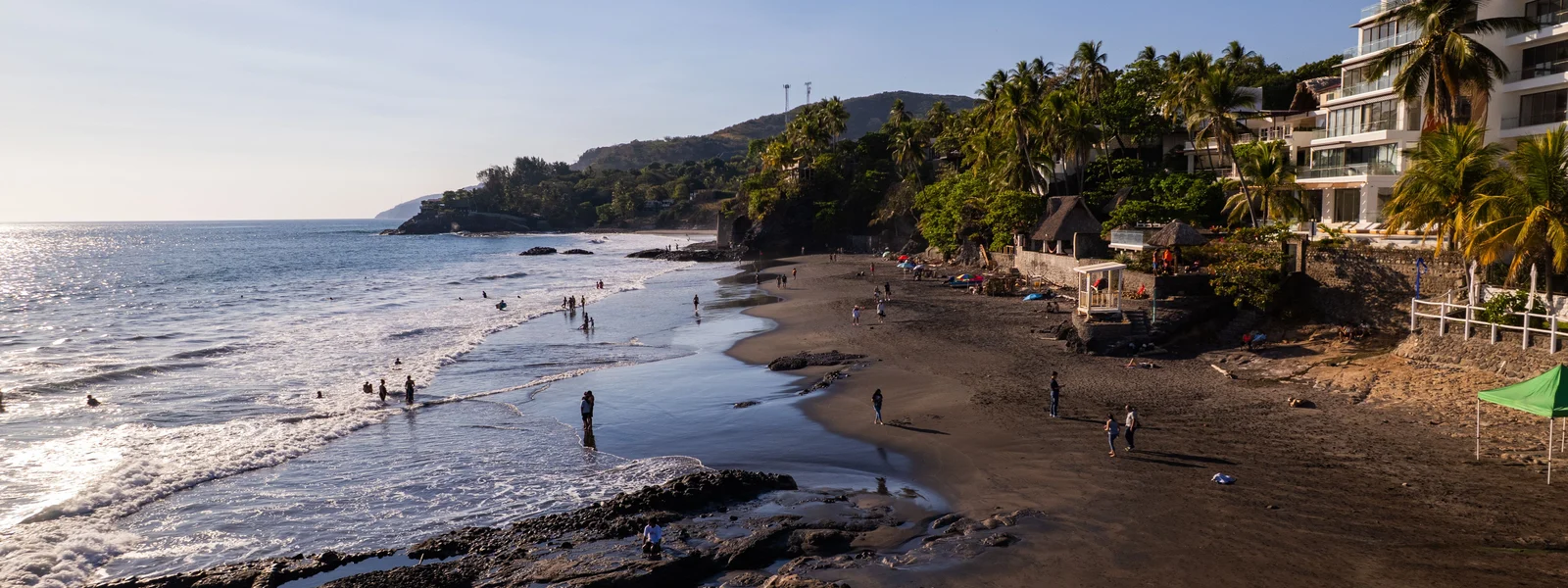
El Salvador Surf Coast Data Guide
El Salvador's surf coast is the heart of its tourism: world-class right-hand point breaks at La Libertad, the lively hub of El Tunco, and a string of beaches drawing surfers from around the world. The connectivity reality is pleasant: the coast is well covered, so you are connected in the towns and between sessions, while the hours in the water are naturally offline. This guide maps coastal coverage, how to stay connected around your surfing, and how to keep your phone safe near the sea.
The surf coast is one of the easy parts of El Salvador for connectivity. The towns are well covered, so the only offline time is the time you choose to spend in the water.
The surf coast: well covered
El Salvador's main surf coast, centered on La Libertad and the popular town of El Tunco, has good 4G coverage. The towns, the main coast road, and the beach areas are connected, so you can book lessons, message your surf school, navigate, post your clips and call home without trouble. This is a notable contrast to surf destinations in more remote countries; here the coast is well connected, and the only natural offline time is the hours you spend out on the waves.
| Area | Coverage | What to expect |
|---|---|---|
| El Tunco | 4G | Good throughout the lively surf town and its hostels and cafes. |
| La Libertad | 4G | Solid in the coastal hub and around the famous point breaks. |
| El Sunzal & nearby breaks | 4G | Coverage along the main surf beaches. |
| El Zonte | 4G | Workable in the well-known village, important for its digital scene. |
| Remote eastern breaks | 4G near towns, gaps around | Quieter, more remote breaks to the east can be patchier. |
Because the surf towns are well covered, a surf trip in El Salvador keeps you connected for everything except the time in the water. You can check the forecast and tide apps from the beach, coordinate with your surf school, share clips from the sand, and video-call home between sessions. The only offline time is when your phone is safely put away while you surf, which is exactly when you want to be disconnected anyway.
Protecting your phone near the sea
On a surf trip, the threat to your phone is not signal but salt, sand and water. A few habits keep it safe while you are in and around the ocean.
- Never take your phone in the water. Leave it securely on the beach or at your accommodation. Salt water kills phones.
- Use a dry bag for the beach. Sand and spray are hard on a phone; a dry bag protects it between uses.
- Rinse your hands before handling. Salt and sand on wet hands work into ports and buttons over a trip.
- Back up clips on wifi. Save your surf footage to the cloud over hostel wifi in the evening rather than burning mobile data on uploads.
How much data for a surf trip
A surf trip is one of the lighter-data trips, even though the coast is well connected, because the hours in the water are offline and the heavy uploads of surf footage are best done on wifi. Your mobile usage is checking forecasts, messaging, navigation and some posting. A week or two surfing typically uses around 3 to 5 GB, with the in-water time contributing nothing and evening uploads on wifi.
Which network for the surf coast
For the main surf coast around El Tunco and La Libertad, any of the three networks is fine, with good coverage across the towns and breaks. A multi-network plan is a sensible low-cost upgrade if you will explore the quieter, more remote eastern breaks where coverage can be patchier, but for the main surf hubs the network choice barely matters given the good coverage.
Where we land
For the El Salvador surf coast, a multi-network eSIM of around 5 GB covers the well-connected surf towns comfortably, with the in-water hours naturally offline and footage uploads done on wifi. The coast is one of the easy parts of El Salvador for connectivity, so the focus is more on protecting your phone from the sea than on chasing signal. Our El Salvador plans ride the strongest available network across the surf coast, keeping you connected between every session.
Plans for El Salvador
FAQ
Is there mobile coverage on El Salvador's surf coast?
Yes, good 4G coverage. The main surf coast around La Libertad and El Tunco, including the towns, the main coast road and the beach areas, is well connected. You can book lessons, message your surf school, check forecasts, navigate and post without trouble. The only natural offline time is the hours you spend out on the waves, which is when you want to be disconnected anyway.
How much data does a surf trip in El Salvador use?
Around 3 to 5 GB for a week or two, which is light even though the coast is well connected, because the hours in the water are offline and heavy uploads of surf footage are best done on wifi. Your mobile usage is checking forecasts and tides, messaging, navigation and some posting, with the in-water time contributing nothing to your data.
How do I protect my phone on an El Salvador surf trip?
The threat is salt, sand and water, not signal. Never take your phone in the water, since salt water kills phones. Use a dry bag on the beach against sand and spray, rinse your hands before handling it, and back up your surf clips on hostel wifi in the evening rather than over mobile data. The coast is well covered, so signal is not a concern, only protecting the device.
Which network is best for the El Salvador surf coast?
For the main surf coast around El Tunco and La Libertad, any of the three networks is fine, with good coverage across the towns and breaks. A multi-network plan is a sensible low-cost upgrade if you explore the quieter, more remote eastern breaks where coverage can be patchier, but for the main surf hubs the network choice barely matters given the good coverage.
Can I check the surf forecast from the beach in El Salvador?
Yes. The main surf coast is well covered with 4G, so you can check forecast and tide apps from the beach, coordinate with your surf school, and share clips from the sand. The good coastal coverage means you stay connected for everything except the time your phone is safely put away while you surf, which keeps a surf trip both connected and low on data use.