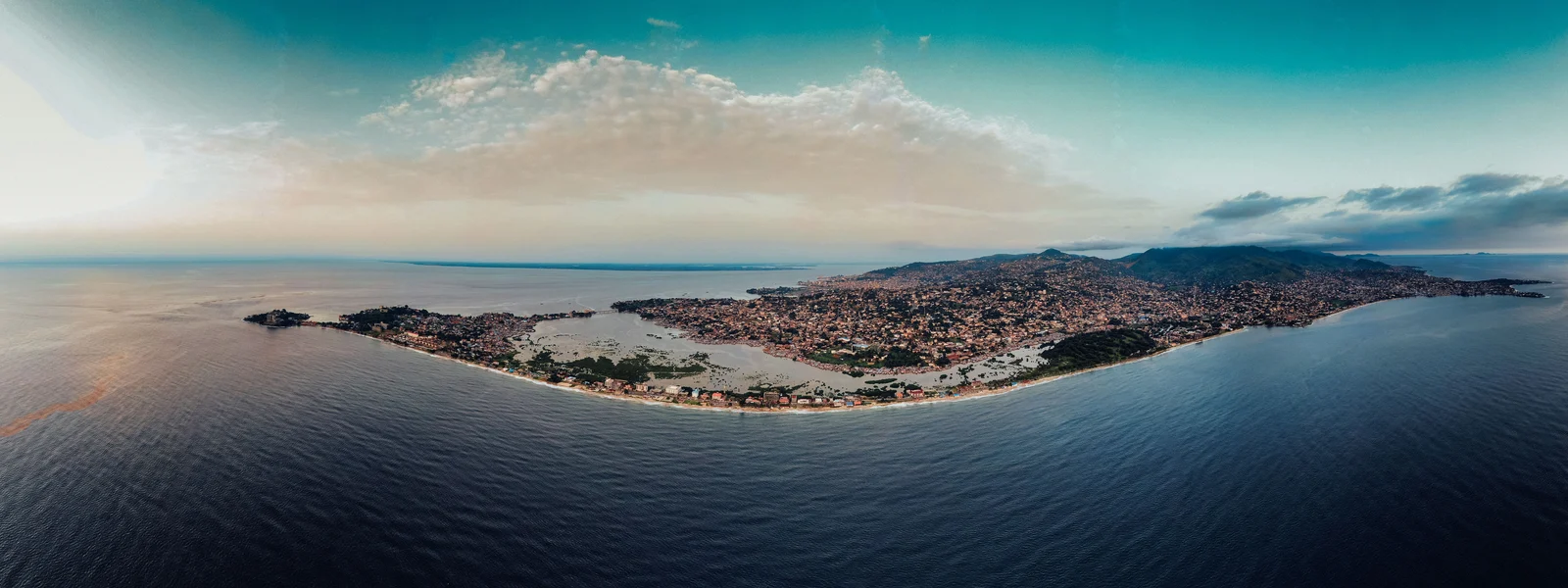
Roatan & Bay Islands Data Guide
The Bay Islands are why most people come to Honduras: Roatan with its developed dive towns of West End and West Bay, the budget dive island of Utila, and a spectacular barrier reef offshore. The connectivity reality is pleasant and simple: the developed island areas have good 4G, and the moment you head out to the reef you are offline, on the water, exactly where you want to be disconnected. This guide maps coverage on the islands and at sea, and how to keep your phone alive and dry through a dive trip.
West End has signal; the reef dive twenty minutes offshore does not. The dive day being off-grid is the whole point, so plan your logistics from the island and enjoy the disconnection.
The island towns: good coverage
Roatan's developed western end, including the dive hub of West End and the resort area of West Bay, has good 4G coverage. You have reliable signal for booking dives, messaging your dive shop, navigating, and posting your photos. Utila, the smaller, budget-focused dive island, has workable coverage in its main town, perhaps a touch more basic. For time in the developed island areas you are connected, so the islands serve as your base for arranging everything before heading out to the reef.
| Area | Coverage | What to expect |
|---|---|---|
| Roatan: West End | 4G | Good in the dive hub. Book dives and post here. |
| Roatan: West Bay | 4G | Solid in the resort area. |
| Roatan: quieter east | 4G to patchy | Thinner away from the developed west end. |
| Utila town | 4G | Workable in the main town of the budget dive island. |
| Reef & offshore dive sites | None to weak | The reef dives are genuinely offshore and offline. |
The Bay Islands sit on a section of the world's second-largest barrier reef, and the dive sites are out on the water away from the islands. There is little to no mobile coverage at the offshore dive sites. A reef dive trip is an offline day by nature. Confirm everything with your dive shop over WhatsApp from West End or Utila town beforehand, screenshot the details, and treat the dive day as fully disconnected, which is no hardship for a day of world-class diving.
Protecting your phone at sea
On a dive trip, the real risk to your phone is not the lack of signal but the water, sand and sun. A few habits keep it alive and usable as a camera for the surface moments.
- Bring a dry bag or waterproof case. Sea spray, rain and the wet boat are the real threats. Protect your phone properly for any dive boat trip.
- Carry a power bank. A long day on the water with your phone as a camera drains the battery, and there is no charging on a dive boat.
- Download offline maps and details. Save your dive site info and any navigation before leaving the island, since you will have no signal at sea.
- Accept the disconnection. Do not expect to post in real time from the reef. Your photos go online when you are back on the island, which is fine.
Even though the dive sites are offline, a Honduras eSIM is worth having for the island time around them. You need good connectivity in West End or Utila town to book dives, coordinate with the shop over WhatsApp, navigate, and get back online after the trip. The eSIM covers the connected island bookends of a dive day; you simply accept the offline middle out on the reef.
How much data for a dive trip
This is one of the lightest-data trips you can take, because the dive days are entirely offline and the island evenings often run on resort or hostel wifi. Your usage concentrates in the island towns: booking, messaging, navigation and some posting. A week or two of diving and island life typically uses well under 5 GB, often around 3 GB, with the offshore days contributing nothing at all.
Which network for the Bay Islands
For Roatan's developed areas and Utila town, either Tigo or Claro works, and a multi-network plan is a sensible choice for the quieter island corners where coverage thins. No network covers the offshore dive sites, which are offline regardless, so the network choice only affects your island-base connectivity. A multi-network plan is the safest default for getting the best coverage across the developed and quieter parts of the islands.
Where we land
For Roatan and the Bay Islands, a multi-network eSIM of around 5 GB covers the developed island areas comfortably with room to spare, while the dive days on the reef are embraced as offline, handled with a dry bag, a power bank and logistics confirmed from the island. The islands are connected; the dives are gloriously disconnected. Our Honduras plans give you that solid island-base connectivity, which is exactly where you need it for a dive trip.
Plans for Honduras
FAQ
Is there phone signal when diving in Roatan and the Bay Islands?
On the developed island areas like West End and West Bay on Roatan, and Utila town, yes, good 4G. Out at the offshore reef dive sites, coverage is little to none, so dive trips are effectively offline. A reef dive is an offline day by nature. Confirm everything with your dive shop over WhatsApp from the island beforehand, screenshot the details, and treat the dive day as fully disconnected.
Is there mobile coverage on Roatan and Utila?
Yes, in the developed areas. Roatan's western end, including the dive hub of West End and the resort area of West Bay, has good 4G. Utila town, on the smaller budget dive island, has workable coverage that is a touch more basic. The quieter eastern parts of Roatan thin out. The islands serve as your connected base for arranging everything before heading out to the reef.
How do I protect my phone on a Roatan dive trip?
The real risk is water, not signal. Bring a dry bag or waterproof case against sea spray, rain and the wet boat, and carry a power bank since a long day with your phone as a camera drains the battery and there is no charging on a dive boat. Download your dive site details and maps before leaving the island, since you will have no signal at sea.
How much data does a Roatan dive trip use?
Very little, often around 3 GB for a week or two, because the dive days are entirely offline and the island evenings often run on resort or hostel wifi. Your usage concentrates in the island towns for booking, messaging, navigation and some posting. The offshore days contribute nothing, so a 5 GB plan leaves comfortable headroom.
Which network is best for the Bay Islands?
For Roatan's developed areas and Utila town, either Tigo or Claro works, and a multi-network plan is a sensible choice for the quieter island corners where coverage thins. No network covers the offshore dive sites, which are offline regardless, so the network choice only affects your island-base connectivity. A multi-network plan is the safest default across the islands.