Jesuit Missions & the South Data Guide
Southern Paraguay holds the country's cultural treasures: the UNESCO-listed Jesuit mission ruins of Trinidad and Jesus, evocative red-stone remnants of the 18th-century reductions, and the pleasant riverside city of Encarnacion with its beaches on the Parana river. This guide covers coverage, staying connected, and the offline habits that matter most.
The well-covered areas keep you connected; the remoter spots need offline prep. Plan accordingly and the connectivity takes care of itself.
Jesuit Missions & the South: coverage and connectivity
Southern Paraguay holds the country's cultural treasures: the UNESCO-listed Jesuit mission ruins of Trinidad and Jesus, evocative red-stone remnants of the 18th-century reductions, and the pleasant riverside city of Encarnacion with its beaches on the Parana river. Encarnacion and the area around the Trinidad and Jesus mission sites have good 4G coverage, with the towns and the developed sites connected, while the rural roads between them and the deeper countryside are patchier.
The connected parts of this area, the towns and main access points, are good for booking, navigation and posting. The wilder stretches, the trails, the high passes, the remote villages and the backcountry, are where signal fades, often to nothing. You sort logistics where there is signal, then accept the disconnection where there is none, which for these adventures is part of the appeal.
Handle your connected tasks, booking, navigation, messaging and posting, in the well-covered areas before heading to any remoter spots. Confirm tour and trek logistics over WhatsApp while you have signal. Download offline maps for the vast empty Chaco in the west and the rural areas between the eastern towns, where signal may drop, since GPS works without a mobile connection.
The offline reality of this area
The key connectivity fact here is that the iconic experiences are partly or wholly offline. GPS works without a mobile signal, so a downloaded map lets you navigate even with no data connection. Pair that with confirming logistics over WhatsApp from a covered area beforehand, and the offline stretches become a non-issue.
What to expect on the ground
In the towns and main access points, coverage is good. On the treks, in the high mountains and in the backcountry, expect to be offline, sometimes for days. A Tigo-based or multi-network eSIM gives the best odds across the varied coverage of this area, connecting to whichever operator has the strongest signal at each point.
Practical habits for this area
- Download offline maps. GPS works without signal, essential for the treks and remote areas and the most reliable single precaution.
- Confirm logistics in advance. Sort treks, tours and transfers from covered areas while you have signal.
- Carry a power bank and a dry bag. Long treks and river trips drain the battery while your phone is your camera, and water is a real risk.
- Use accommodation wifi at night. Keep your eSIM data modest by saving streaming and backups for wifi.
- Screenshot the essentials. Save addresses, booking confirmations and meeting points so a signal drop does not strand you.
Visiting the mission ruins connected
The UNESCO-listed Jesuit mission ruins of Trinidad and Jesus are among South America's most evocative and least-crowded historical sites, and the area around them has good coverage. You can navigate to the sites, look up their remarkable history as you walk the red-stone ruins, and share the experience, with the developed sites and the nearby town of Encarnacion well connected. The rural roads between the missions and the deeper countryside are patchier, so download offline maps if you are driving the mission circuit independently, but for the sites themselves connectivity is good.
Encarnacion and the river
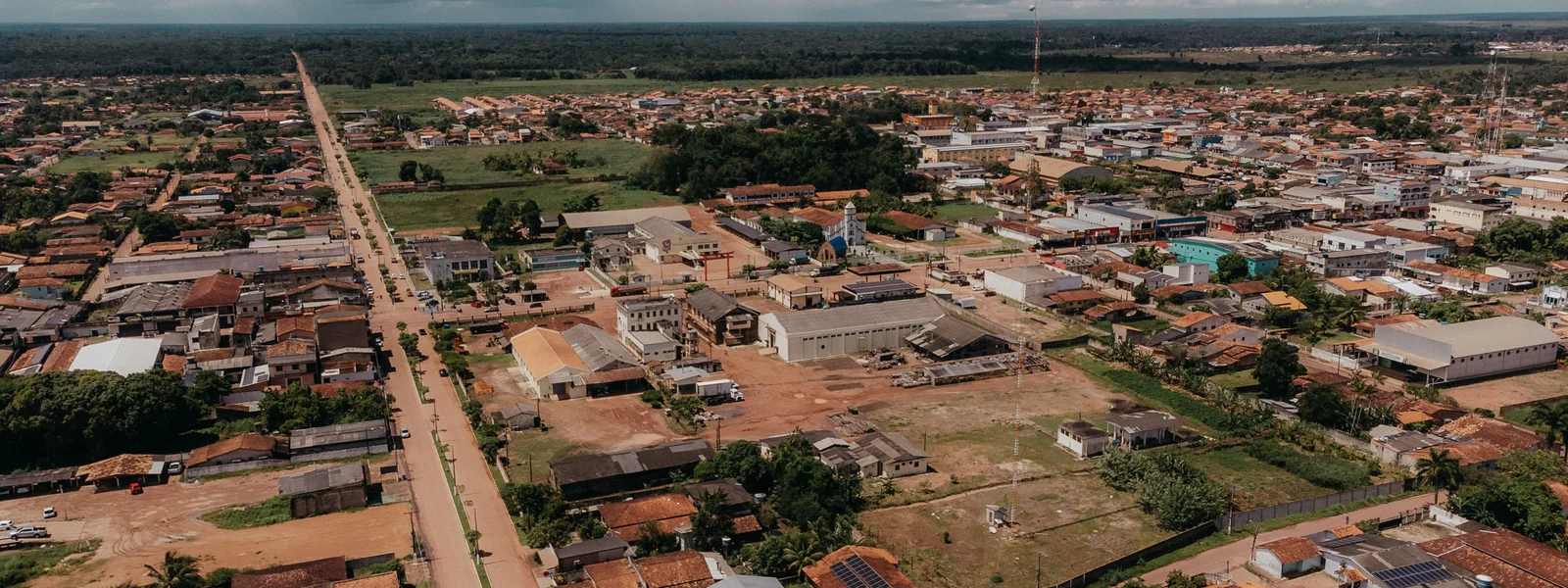
Encarnacion, the pleasant base for the missions, is a riverside city with beaches on the Parana and good coverage across its center and waterfront. It makes a comfortable, connected base from which to visit the missions on day trips. The city has a relaxed, walkable feel, and a travel eSIM handles navigation, dining recommendations and staying in touch easily. For the mission circuit overall, you are connected at the key points and only the rural stretches between need offline preparation.
How much data for this area
Light, because the remote areas and backcountry are largely offline and use almost no data. Your usage concentrates in the towns before and after. A few days here, folded into a wider trip, adds little to your total, which is why a 5 GB plan comfortably covers most itineraries including this area.
Which network for this area
A Tigo-based or multi-network eSIM is the safest choice, because Tigo has the broadest reach and a multi-network plan connects to whichever has signal in the patchier areas. In the towns all networks work; the difference shows on the rural roads and the approaches to the remote areas. The network helps on the margins; offline preparation covers the genuine dead spots.
Where we land
For Jesuit Missions and this area, a Tigo-based or multi-network eSIM handles the well-covered parts well, with the remote areas and backcountry treated as offline via downloaded maps and advance planning. Our Paraguay plans ride the strongest available network across the area, with top-up if a longer stay needs it.
Plans for Paraguay
FAQ
Is there mobile coverage in Jesuit Missions?
Good 4G coverage in the towns and main access points. The treks, high mountains and backcountry are largely offline. Encarnacion and the area around the Trinidad and Jesus mission sites have good 4G coverage, with the towns and the developed sites connected, while the rural roads between them and the deeper countryside are patchier. Download offline maps for the remoter parts and confirm logistics from covered areas. A Tigo-based or multi-network plan gives the best odds.
How much data does a visit to Jesuit Missions use?
Light, because the remote areas and backcountry are largely offline and use almost no data. A few days here, folded into a wider Paraguay trip, adds little, so a 5 GB plan comfortably covers most itineraries including this area.
Which network is best for Jesuit Missions?
A Tigo-based or multi-network eSIM is the safest choice, because Tigo has the broadest reach and a multi-network plan connects to whichever has signal in the patchier areas. In the towns all networks work; the difference shows on the rural roads and remote approaches.
How do I stay navigable in Jesuit Missions?
Download offline maps before heading to the remoter spots, since GPS works without signal. Confirm tour, trek or transfer logistics from a covered area while you have signal. Screenshot meeting points and addresses so a signal drop does not strand you.
What are the coverage gaps around Jesuit Missions?
The main gaps are the vast empty Chaco in the west and the rural areas between the eastern towns. The well-covered areas are the towns and main access points. Plan offline preparation for any treks or excursions to the remoter areas, with downloaded maps and confirmed logistics.