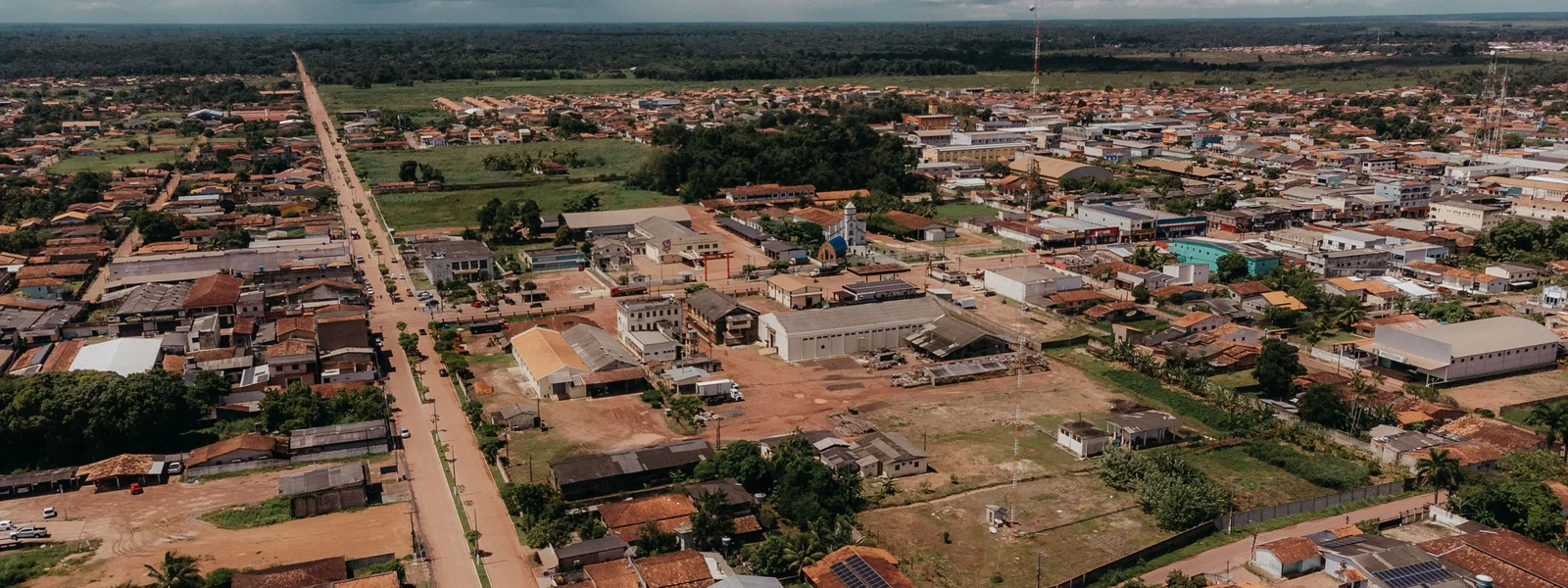
Suriname eSIM Guide 2026
Suriname is South America's Dutch-speaking surprise: the charming, UNESCO-listed wooden colonial capital Paramaribo, a remarkably multicultural society, and one of the most pristine rainforest interiors on the continent, with eco-lodges deep in the jungle. Coverage is good in Paramaribo and the populated coastal north, delivered by Telesur and Digicel, but the vast forested interior, which is most of the country, is largely offline. For Paramaribo and the coast, Suriname is workable; the jungle interior is a genuine wilderness disconnect. This hub maps it all.
We sell eSIMs, so read every recommendation here as exactly that. Where a local SIM or your home roaming genuinely beats us for your trip, this guide says so plainly.
Suriname in one screen
Suriname has good 4G coverage in Paramaribo and the populated coastal north, delivered by two networks: Telesur (the national operator) and Digicel. Dutch is the official language, though English is widely understood in Paramaribo and the tourism sector. 4G is the practical standard and handles everything a traveler does. The coverage reality is stark: the coastal north where most Surinamese live is covered, while the vast rainforest interior, which is the overwhelming majority of the country's area, is largely offline. For Paramaribo and the coast, coverage is good; interior jungle trips are off-grid adventures. This hub maps it all.
Sort your data before you land, not at an airport kiosk and not by leaving your home carrier's international roaming on. Suriname sits outside most European and Asian roaming bundles, so day-fees are steep. A travel eSIM bought at home and switched on after landing skips the queue and the roaming bill entirely.
Coverage at a glance, region by region
| Region | Typical network | Real-world experience |
|---|---|---|
| Paramaribo | 4G | Good across the colonial capital. |
| Coastal north (Nickerie, coastal towns) | 4G | Good along the populated northern coast. |
| Commewijne & plantations | 4G in area | Coverage in the accessible coastal-area sites. |
| Brownsberg & near-interior | Patchy | Thins out approaching the interior. |
| Rainforest interior & jungle lodges | None | The vast Amazon interior is offline. |
| Upper Suriname river & remote villages | Patchy in a few villages | Mostly offline; a few Maroon village spots. |
How much data you actually need
The setup that never goes wrong
Add the eSIM profile before you fly. Installing does not start the clock.
Name the eSIM clearly. Set it as data line. Turn home roaming off on your home SIM.
Enable the eSIM at Paramaribo airport. Connect to Telesur or Digicel.
- Leaving home-network data roaming on, billing you a steep daily fee.
- Forgetting to set the eSIM as the active data line.
- Trying to install the profile after landing without wifi.
Find your situation
Why trust this hub
Drift Americas tests mobile data on the ground and publishes what it finds, including when the honest answer points away from buying from us. This Suriname guide is in our researched-and-verified tier: cross-checked against operator coverage data, current market pricing and traveler reports. Every claim here is sourced rather than romanticized.
Network
4G coverage map Suriname 2026
Where 4G is solid on the coast and the offline rainforest interior and remote river villages.
Read the guide →📶NetworkTelesur vs Digicel
The two networks a Suriname eSIM rides on, where each is strongest, and why a multi-network plan is the safe default.
Read the guide →📞NetworkWhatsApp & VoIP in Suriname
WhatsApp is Suriname's primary channel. What works on a travel eSIM and staying reachable without a local number.
Read the guide →Practical
How much data do you need in Suriname?
A breakdown by trip type, and how the offline interior keeps your usage low.
Read the guide →⚙️PracticalSuriname eSIM setup, step by step
Install before you fly, activate on landing, fix the three errors that trip up most travelers. iPhone and Android.
Read the guide →Comparison
eSIM or local SIM in Suriname?
Price, hassle, keeping your home number, and which wins for a 10-day trip versus a long stay.
Read the guide →💰ComparisonRoaming vs eSIM for Suriname
Why overseas roaming for Suriname is so expensive, the daily-fee math, and when a plan actually covers you.
Read the guide →🏆ComparisonBest eSIM for Suriname 2026
Honest selection criteria, a real market price grid, the marketing traps to ignore, and where we land.
Read the guide →Use case
Digital nomad: one month in Suriname
Paramaribo as a base, dual-network redundancy and the US-friendly time zone.
Read the guide →🏙️Use caseParamaribo data guide
The colonial capital: good coverage, the wooden architecture, and getting the most from Paramaribo.
Read the guide →🌿Use caseRainforest interior guide
The pristine jungle and eco-lodges: the offline reality of an interior trip and how to plan.
Read the guide →🌊Use caseCommewijne & coast guide
The plantations and the coast: accessible-area coverage and the river and nature gaps.
Read the guide →Regions & destinations in Suriname
Connectivity in Suriname is split between the covered coastal north and the offline rainforest interior. Paramaribo and a jungle lodge are two entirely different network realities. These briefs cover what to actually expect on the ground.
Cities & islands in Suriname
Local coverage, the best network by area, and the same plans that work nationwide.
Suriname eSIM FAQ
Does an eSIM work everywhere in Suriname?
An eSIM works anywhere there is mobile coverage, which in Suriname means Paramaribo and the populated coastal north. The real variable is coverage, which is good on the coast but largely absent across the vast rainforest interior. The eSIM itself connects to Telesur or Digicel the same way a physical SIM does. Interior jungle trips are off-grid regardless of provider.
Which network has the best coverage in Suriname?
Telesur, the national operator, and Digicel both cover Paramaribo and the coast well. Telesur has the widest national footprint, while Digicel is the dominant regional Caribbean operator. For the coast, both work well; a multi-network eSIM that uses whichever has signal is the safest default. Neither network covers the rainforest interior, which is offline regardless of provider.
Is there coverage in the rainforest interior?
No, essentially none. Suriname's interior is one of the most pristine and least-developed rainforests on Earth, reached by small plane or river, with no mobile coverage at the jungle lodges or on the rivers. An interior trip is completely off-grid. Do your connected tasks in Paramaribo before you go, and treat the jungle portion as a disconnected experience, which suits the remote wilderness setting.
Can I keep my home phone number with an eSIM in Suriname?
Yes. A travel eSIM is a separate profile, so your home SIM stays active alongside it. You keep your home number for calls and texts while your data runs through the Suriname eSIM. Keep home data roaming switched off so you are not billed a daily fee.
How much data is enough for a Suriname trip?
For a typical week or two based in Paramaribo with interior excursions, 3 to 5 GB is comfortable for most travelers, because the offline jungle days use no data. A longer or more connected coastal stay runs nearer 5 to 10 GB. The data needs article breaks this down by traveler type.
Sort your Suriname eSIM
Pick the plan that fits your trip, or work out how much data you need first.