Antigua & Volcanoes Data Guide
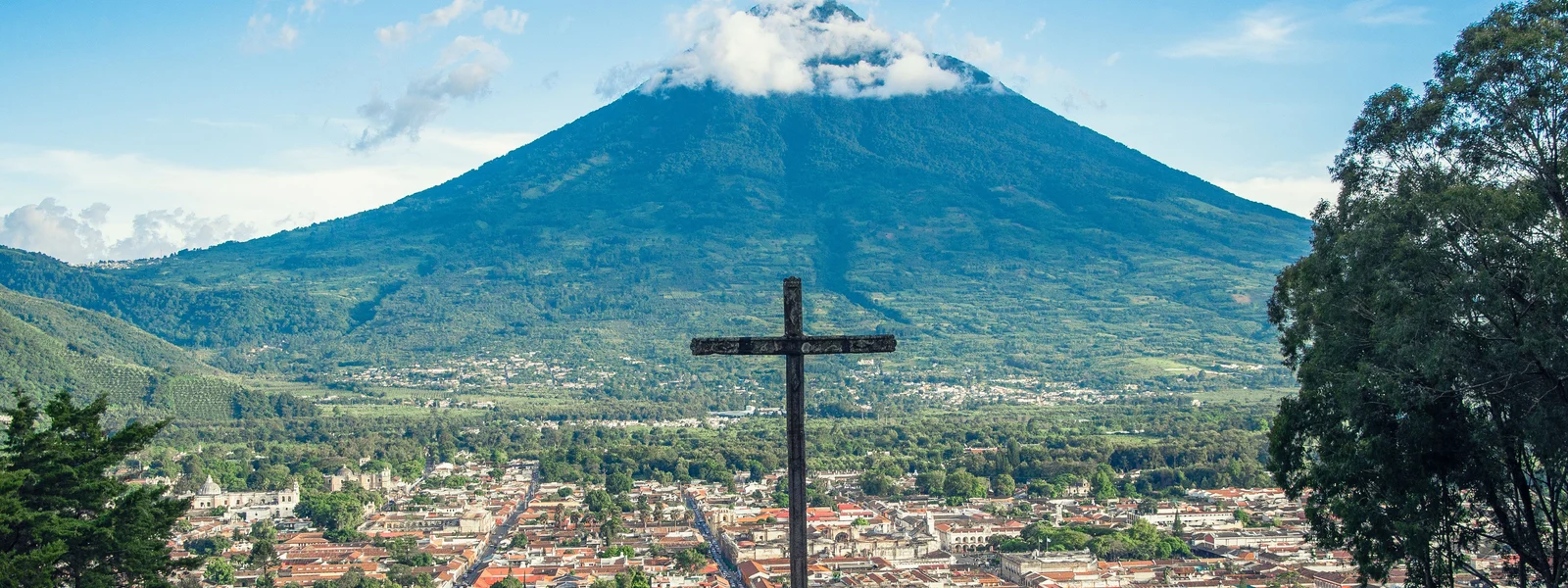
Antigua is Guatemala's postcard: a cobblestone colonial city ringed by volcanoes, well connected and walkable, and the launch point for the country's iconic volcano hikes. Antigua itself has solid coverage, but the climbs that draw people here, the overnight Acatenango trek with its view of erupting Fuego, the Pacaya lava fields, lose signal as you ascend. This guide maps coverage in the city and on the trails, and the offline habits that keep you navigable and safe on the volcanoes.
Antigua has bars everywhere; Acatenango's summit camp does not. The volcano being off-grid is part of the magic, so plan the climb as a disconnected adventure.
Antigua: well connected and walkable
Antigua has good 4G coverage throughout the city, on both Tigo and Claro. The compact colonial center, the cafes and coworking spots, the markets and the main sights are all reliably connected, so for time spent in Antigua itself you have no coverage concerns. This makes it an easy base: you confirm your volcano tours, message your group, navigate the cobbled streets and post your photos without thinking about signal. The connectivity questions begin only when you leave the city to climb.
| Area | Coverage | What to expect |
|---|---|---|
| Antigua city center | 4G | Reliable throughout. Plan online tasks and tour bookings here. |
| Cerro de la Cruz viewpoint | 4G | Good signal at the popular overlook above town. |
| Pacaya volcano | Patchy | Signal near the trailhead town; drops on the climb to the lava fields. |
| Acatenango trail & camp | Weak to none | Signal at the trailhead village; thins fast on the ascent and at the summit camp. |
| Surrounding villages | 4G in towns, variable around | Coverage in the bigger villages; patchier on the back roads. |
The overnight Acatenango trek, famous for its front-row view of the erupting Fuego volcano, is largely off-grid. You will have signal at the trailhead village, but it thins quickly on the steep ascent and the summit camp is effectively disconnected. This is a demanding high-altitude hike, so prepare properly: download offline maps, screenshot your tour details and meeting point, tell someone your plans, and treat the climb as a disconnected adventure. Most people go with a guided tour, which handles the logistics.
Offline navigation and safety on the volcanoes
For the volcano climbs, offline preparation is about both navigation and safety, given the altitude and the terrain. Download offline maps for the trail area before you leave Antigua while you have a connection, since your phone's GPS works without a mobile signal. Screenshot your tour's meeting point and any instructions. Carry a power bank, because the cold at altitude drains batteries fast and your phone is your camera for the Fuego eruptions and the sunrise. These habits matter more on a volcano than the network choice does.
Book and confirm your volcano tour over WhatsApp while you have signal in the city. The trailhead and camp will be offline.
Save the offline map for the trail and screenshot your meeting point and instructions before leaving the city.
Altitude cold drains batteries fast, and your phone is your camera for the eruptions and sunrise. A power bank keeps it alive at camp.
Which network for Antigua and the volcanoes
For Antigua itself, either Tigo or Claro is fine, with good coverage across the city. For the volcano trailheads and surrounding villages, a multi-network eSIM gives the best odds of signal in the marginal areas, though no network covers the upper trails or the summit camps, which are off-grid regardless. The network choice helps you stay connected in the city and at the trailheads; offline preparation carries you through the climbs themselves.
How much data for an Antigua-and-volcanoes trip
This is a light-data trip. Antigua keeps you connected and active, but the volcano climbs are offline, so your usage concentrates in the city: confirming tours, navigation, messaging, posting and some streaming on accommodation wifi. A few days based in Antigua with a couple of volcano climbs typically uses well under 5 GB, often around 3 GB, with the climbs contributing almost nothing.
Where we land
For Antigua and the volcanoes, a multi-network eSIM of around 5 GB covers the city comfortably with room to spare, while the climbs are handled offline with downloaded maps, screenshots and a power bank. Antigua is reliably connected; the volcanoes are off-grid adventures to prepare for. Our Guatemala plans ride the strongest available network, which keeps Antigua and the trailheads covered while you embrace the disconnected summit.
Plans for Guatemala
FAQ
Is there mobile coverage in Antigua, Guatemala?
Yes, good 4G coverage throughout the city on both Tigo and Claro. The compact colonial center, cafes, markets and main sights are all reliably connected, so time spent in Antigua itself has no coverage concerns. It makes an easy, well-connected base. The connectivity questions begin only when you leave the city to climb the surrounding volcanoes.
Will my phone work on the Acatenango volcano climb?
Mostly no. You will have signal at the trailhead village, but it thins quickly on the steep ascent and the summit camp is effectively offline. The overnight Acatenango trek, famous for its view of erupting Fuego, is largely off-grid. Download offline maps, screenshot your tour details, tell someone your plans, carry a power bank, and treat the climb as a disconnected adventure.
How do I prepare for offline volcano climbs in Guatemala?
Confirm your tour over WhatsApp from Antigua while you have signal, download offline maps for the trail area since GPS works without a mobile signal, and screenshot your meeting point and instructions. Carry a power bank, because altitude cold drains batteries fast and your phone is your camera for the eruptions and sunrise. These habits matter more on a volcano than the network choice.
Which network is best for Antigua and the volcanoes?
For Antigua itself, either Tigo or Claro is fine with good city coverage. For the volcano trailheads and surrounding villages, a multi-network eSIM gives the best odds of signal in marginal areas, though no network covers the upper trails or summit camps, which are off-grid regardless. The network helps in the city and at trailheads; offline preparation carries you through the climbs.
How much data does an Antigua and volcanoes trip use?
Little, often around 3 GB for a few days, because Antigua keeps you connected but the volcano climbs are offline. Your usage concentrates in the city for confirming tours, navigation, messaging, posting and some streaming on accommodation wifi. The climbs themselves contribute almost nothing, so a 5 GB plan leaves comfortable headroom.