Lima Data Guide
Lima, Peru's coastal capital, is a city of contrasts: the colonial center, the clifftop Miraflores and bohemian Barranco districts overlooking the Pacific, and a world-renowned food scene that makes it a culinary capital of South America. This guide covers coverage, staying connected, and the offline habits that matter most.
The well-covered areas keep you connected; the remoter spots need offline prep. Plan accordingly and the connectivity takes care of itself.
Lima: coverage and connectivity
Lima, Peru's coastal capital, is a city of contrasts: the colonial center, the clifftop Miraflores and bohemian Barranco districts overlooking the Pacific, and a world-renowned food scene that makes it a culinary capital of South America. Lima has strong 4G coverage and 5G appearing across the capital, with Miraflores, Barranco, the historic center and the main districts all reliably connected for navigation, rideshare and posting.
In the city itself, coverage is good for navigation, rideshare apps, messaging and staying in contact, reliably so across the central and main districts. This is where you do your connected work before heading anywhere more remote. The strong coverage means a travel eSIM turns the city into something you can navigate confidently on your phone, looking up routes, opening hours and recommendations on the spot.
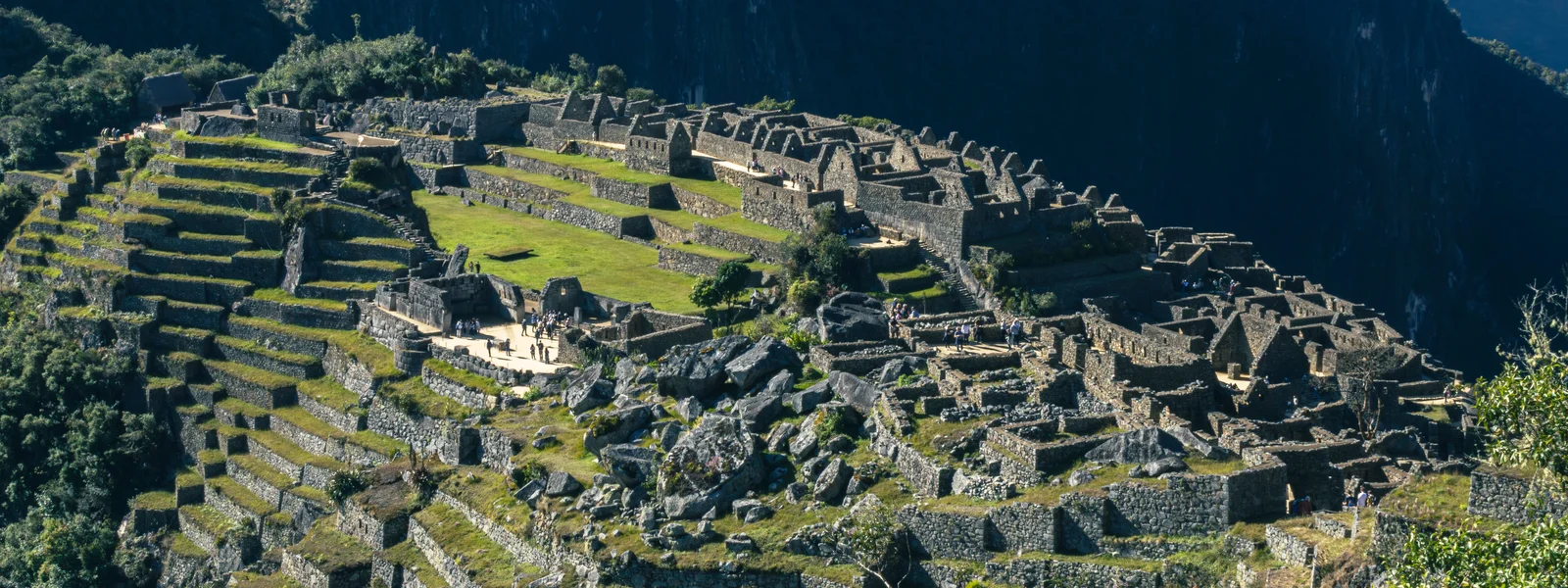
Handle your connected tasks, booking, navigation, messaging and posting, in the well-covered areas before heading to any remoter spots. Confirm tour and trek logistics over WhatsApp while you have signal. Download offline maps for the high Andes and trekking routes, the Inca Trail to Machu Picchu, and the remote Amazon basin, where signal may drop, since GPS works without a mobile connection.
The offline reality of this area
The key connectivity habit here is downloading offline maps before exploring beyond the city. GPS works without a mobile signal, so a downloaded map lets you navigate even with no data connection. Pair that with confirming logistics over WhatsApp from a covered area beforehand, and the offline stretches become a non-issue.
What to expect on the ground
In the city, coverage is reliably good for everyday use, and a travel eSIM handles navigation, rideshare and staying in contact without difficulty. A Claro-based or multi-network eSIM gives the best odds across the varied coverage of this area, connecting to whichever operator has the strongest signal at each point.
Practical habits for this area
- Download offline maps. GPS works without signal, essential for the areas beyond the city and the most reliable single precaution.
- Confirm logistics in advance. Sort treks, tours and transfers from covered areas while you have signal.
- Keep your phone secure in crowds. As in any city, guard your phone in crowded areas and on transport, a safety habit rather than a coverage issue.
- Use accommodation wifi at night. Keep your eSIM data modest by saving streaming and backups for wifi.
- Screenshot the essentials. Save addresses, booking confirmations and meeting points so a signal drop does not strand you.
How much data for this area
Moderate, used for navigation, rideshare, browsing and posting through the day, with accommodation wifi for the evenings. A few days in the city fits comfortably in a 5 GB plan.
Getting around the city
In this city, a connected phone is a practical tool: rideshare and taxi apps work reliably on the good coverage, live navigation guides you through unfamiliar streets, and you can look up restaurants, opening hours and routes on the spot. A travel eSIM makes all of this seamless, turning the city into something you can explore confidently with your phone as guide. The usual urban habit of guarding your phone in crowded areas applies, which is a general travel precaution rather than a connectivity concern.
Exploring Lima's districts
Lima rewards a connected phone for moving between its very different districts: the clifftop parks and restaurants of Miraflores, the bohemian street art and bars of Barranco, the colonial grandeur of the historic center, and the food markets scattered across the city. Rideshare and taxi apps are widely used and reliable on Lima's good coverage, the most practical way to cross the sprawling city, and live navigation guides you through unfamiliar neighborhoods. A travel eSIM makes all of this seamless.
The food scene, on your phone
Lima is a world culinary capital, and much of the experience is researched and booked on the move: looking up the famous ceviche spots, finding the best cevicherias and the acclaimed restaurants, checking opening hours and reserving over WhatsApp, which many Lima restaurants use. Good city coverage means you do all of this on the spot, from a clifftop in Miraflores or a market in Surquillo, with your eSIM handling the data and your existing WhatsApp handling the bookings.
Which network for this area
A Claro-based or multi-network eSIM is the safest choice, because Claro has the broadest reach and a multi-network plan connects to whichever has signal in the patchier areas. In the city all networks work well; the choice is close to irrelevant. The network helps on the margins; offline preparation covers the genuine dead spots.
Where we land
For Lima and this area, a Claro-based or multi-network eSIM handles the well-covered parts well, with the areas beyond the city treated as offline via downloaded maps and advance planning. Our Peru plans ride the strongest available network across the area, with top-up if a longer stay needs it.
Plans for Peru
Peru eSIM plans
Prices in USD. Instant QR activation. Pick your data, land connected.
FAQ
Is there mobile coverage in Lima?
Good 4G coverage across the city for navigation, rideshare, messaging and posting. Lima has strong 4G coverage and 5G appearing across the capital, with Miraflores, Barranco, the historic center and the main districts all reliably connected for navigation, rideshare and posting. Download offline maps for the remoter parts and confirm logistics from covered areas. A Claro-based or multi-network plan gives the best odds.
How much data does a visit to Lima use?
Moderate, used for navigation, rideshare, browsing and posting, with accommodation wifi for evenings. A few days fits comfortably in a 5 GB plan.
Which network is best for Lima?
A Claro-based or multi-network eSIM is the safest choice, because Claro has the broadest reach and a multi-network plan connects to whichever has signal in the patchier areas. In the city all networks work well.
How do I stay navigable in Lima?
Download offline maps before heading to the areas beyond the city, since GPS works without signal. Confirm tour, trek or transfer logistics from a covered area while you have signal. Screenshot meeting points and addresses so a signal drop does not strand you.
What are the coverage gaps around Lima?
The main gaps are the high Andes and trekking routes, the Inca Trail to Machu Picchu, and the remote Amazon basin. The well-covered areas are the city and main districts. Plan offline preparation for any treks or excursions to the remoter areas, with downloaded maps and confirmed logistics.